What Is a Free Roof Inspection? Complete Guide
A free roof inspection is a professional review of your roof’s condition at no upfront cost. A roofer examines shingles, flashing, ventilation, gutters, decking, and signs of leaks or storm damage, then explains what needs attention, what can wait, and whether repair or replacement makes sense.
What Does a Free Roof Inspection Include?
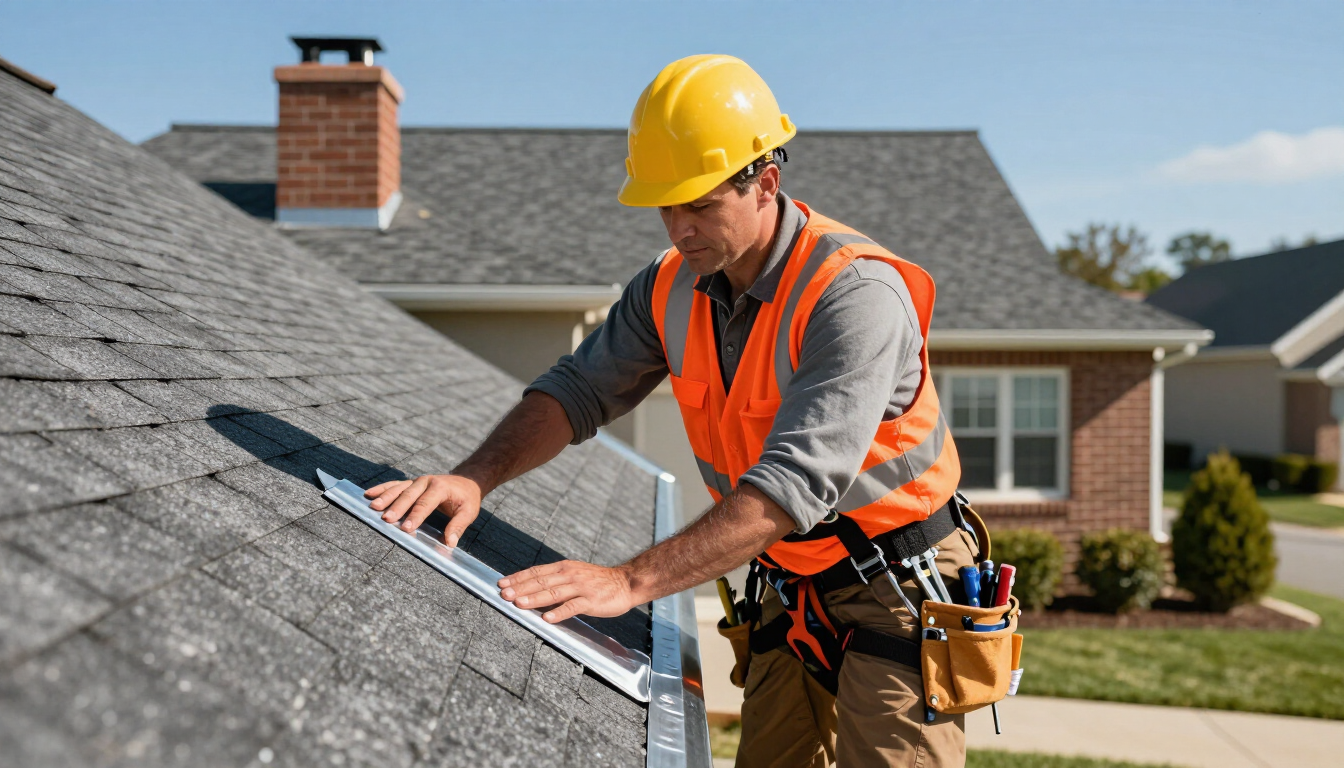
A free roof inspection is more than a quick look from the driveway. A qualified roofing contractor evaluates the roof system and documents visible concerns so you can make an informed decision.
Most inspections include:
- Shingles or roofing material: The roofer looks for missing, cracked, curled, blistered, or badly worn areas.
- Flashing and penetrations: These areas surround chimneys, vents, skylights, and wall intersections, where leaks commonly begin.
- Roof edges and valleys: The contractor checks drip edges, valleys, ridge caps, and areas where water collects or moves quickly.
- Gutters and drainage: Blockages, sagging sections, and poor drainage can contribute to roof and foundation problems.
- Attic or interior clues: When accessible, the roofer may check for moisture stains, damp insulation, mold-like growth, or inadequate ventilation.
The inspection may be visual only, especially when the roof is unsafe to walk on. A careful contractor should explain what was inspected and point out limitations rather than promise certainty about hidden damage.
Why Should You Schedule a Free Roof Inspection?
Roof problems are often easier and less expensive to address when they are found early. Small leaks can spread into insulation, drywall, framing, flooring, or personal belongings. A roof inspection can help you:
- Investigate water stains or ceiling discoloration.
- Check for damage after wind, hail, or a severe storm.
- Plan ahead for an aging roof.
- Support a home sale, purchase, or insurance conversation.
- Compare repair and replacement options before an emergency occurs.
Homeowners in Franklin, Nashville, Brentwood, and surrounding Middle Tennessee communities can also benefit from inspections after periods of heavy rain, strong wind, or changing temperatures. If you suspect storm damage, review the company’s storm damage repair services for next steps.
What Does a Roofer Check During the Inspection?
A thorough roof assessment considers several connected parts of the system. The roofer may review:
Roof covering
The surface material protects your home from weather. The contractor looks for age-related wear, exposed fasteners, lifted tabs, granule loss, impact marks, and inconsistent repairs.
Flashing and sealants
Flashing directs water away from vulnerable joints. Loose metal, failed sealant, or damaged step flashing can create leaks even when the surrounding shingles appear healthy.
Ventilation and attic conditions
Poor ventilation can trap heat and moisture, shortening roof life and encouraging condensation. The inspector may check intake and exhaust vents, insulation, and visible signs of moisture from inside the attic.
Structural concerns
Sagging areas, damaged decking, or soft spots can indicate a deeper issue. These concerns may require more investigation and should not be covered up with a quick surface repair.
Gutters and surrounding areas
Roof performance depends partly on drainage. The roofer may identify overflowing gutters, damaged downspouts, tree limbs, moss, or nearby conditions that increase wear.
How Long Does a Free Roof Inspection Take?
Most residential inspections take about 30 minutes to two hours, depending on the roof’s size, slope, accessibility, number of levels, and visible damage. A larger commercial property or a roof with multiple additions may require more time.
The inspection itself is only part of the appointment. Allow additional time for questions, photographs, recommendations, and a written estimate if work is needed. A rushed visit is not automatically inaccurate, but you should feel comfortable asking what the contractor reviewed.
Do You Need to Prepare for a Roof Inspection?
A little preparation can make the visit more useful. Before the roofer arrives:
- Write down when you first noticed the concern.
- Take pictures of ceiling stains, missing shingles, or damaged gutters.
- Keep access clear to the attic, roof-adjacent areas, and exterior walls.
- Secure pets and move vehicles if ladder access may be necessary.
- Gather information about previous repairs, storm dates, or known leaks.
You do not need to climb onto the roof yourself. In fact, avoiding a DIY roof inspection reduces the risk of falls and accidental damage.
Is a Free Roof Inspection Really Free?
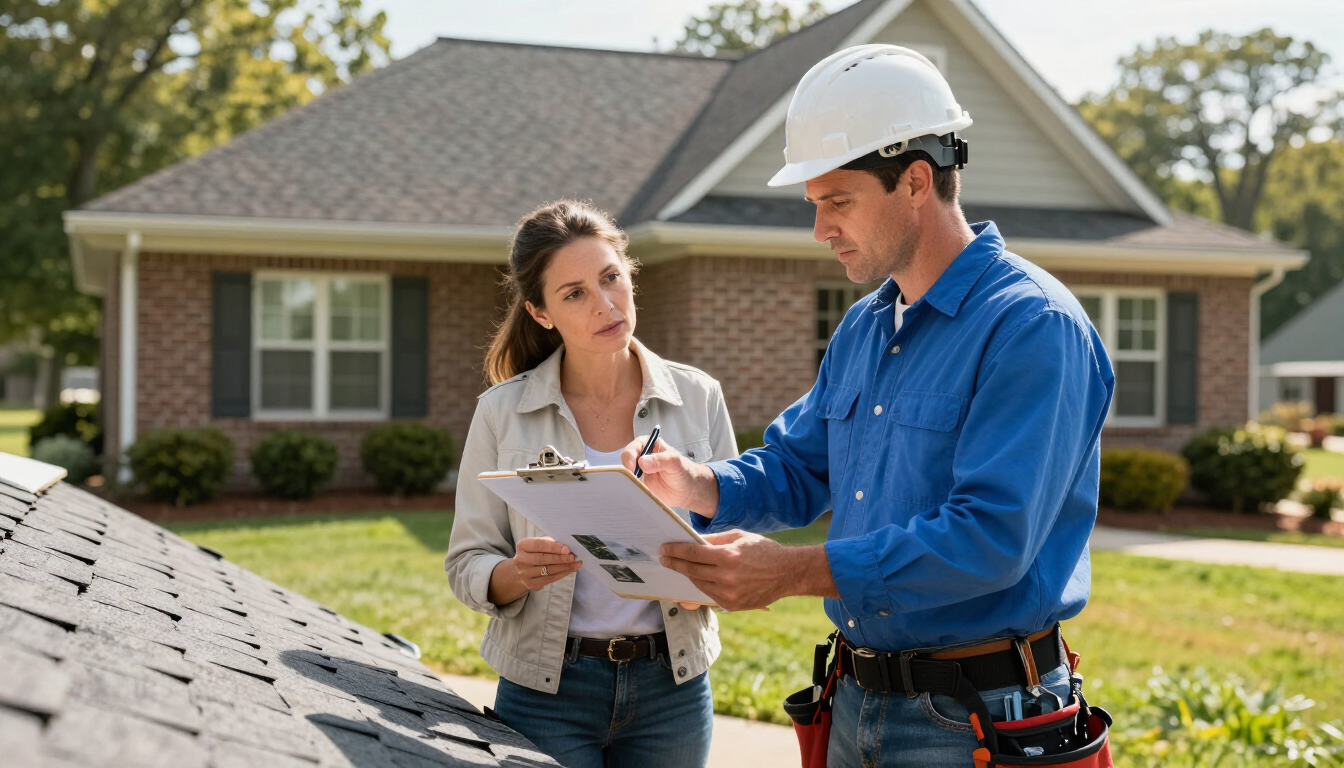
Often, yes: many roofing companies offer an initial visual inspection without charging a separate inspection fee. However, “free” does not mean the contractor is obligated to provide repairs at no cost. The company may recommend paid repair, replacement, maintenance, or additional testing.
Before scheduling, ask:
- Is there any inspection, travel, or report fee?
- Will I receive photos or written findings?
- Are you licensed and insured for this work?
- Do you inspect roofs from the ground, by ladder, or by walking the roof?
- Will you provide repair and replacement options when appropriate?
A trustworthy contractor should explain the process clearly and avoid pressure tactics. Be cautious of anyone who insists on immediate replacement without showing evidence, demands a large upfront payment, or claims every storm-related issue is automatically covered by insurance.
Should You Repair or Replace Your Roof?
The inspection findings, roof age, material, damage pattern, and repair history all influence the recommendation. Repair may make sense when damage is limited, the underlying roof system is sound, and compatible materials are available.
Replacement may be more practical when the roof has widespread deterioration, recurring leaks, extensive decking damage, or has reached the end of its expected service life. A professional should explain why one option is recommended rather than using age alone as the deciding factor.
Ask for a clear scope of work that identifies materials, ventilation improvements, flashing work, cleanup, warranty terms, and exclusions. You can explore broader roofing services before choosing the best solution.
How Do You Choose a Roof Inspection Company?
Look for a local contractor with relevant residential or commercial experience, proof of insurance, clear communication, and a documented process. Reviews and a project gallery can provide useful context, but they should supplement—not replace—questions about your specific roof.
A good inspection report should distinguish between urgent safety or water issues, recommended maintenance, and items that can be monitored. It should also explain whether an observation is confirmed damage or a possible concern requiring further evaluation.
Free Roof Inspection FAQs
Can a roof inspection find every leak?
No. A visual inspection can identify many likely leak sources, but water may travel before appearing indoors. Hidden damage, covered areas, and active weather conditions can limit what a roofer can confirm.
Should I get an inspection after a storm?
Yes, especially after hail, high wind, fallen branches, or unusually heavy rain. Schedule promptly, document visible damage, and avoid making permanent repairs before understanding any insurance requirements.
How often should a roof be inspected?
Many homeowners schedule an inspection annually and after significant storms. An inspection is also sensible before buying or selling a property, or whenever you notice leaks, drafts, ceiling stains, or unusual shingle debris.
Can I stay home during the inspection?
Usually. Your roofer may need access to the attic or exterior areas and should explain any safety restrictions. Ask for a walkthrough of the findings when the inspection is complete.
Key Takeaways
A free roof inspection gives homeowners a practical assessment of roof condition without an upfront inspection charge. It typically covers the roofing material, flashing, drainage, ventilation, attic clues, and visible structural concerns. The goal is not automatically to sell a replacement; it is to identify problems, prioritize action, and explain your options. Schedule an inspection after a storm, before a property transaction, or whenever you see signs of moisture or roof wear. To discuss your roof with a local professional, use the contact page and share what you have noticed.





